
Older Samsung Phones Set to Gain AirDrop-Style Sharing as Android Expands Compatibility
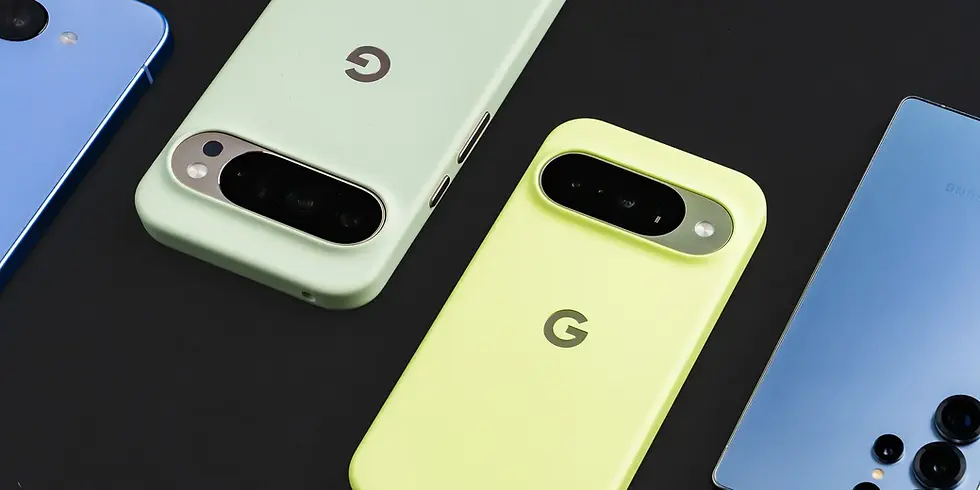
Samsung is preparing to bring AirDrop-style file sharing to older Galaxy devices, extending a feature that has long defined Apple’s ecosystem advantage.
The shift builds on a broader move across Android. Google first introduced compatibility between its Quick Share system and Apple’s AirDrop on newer Pixel devices. Now, Samsung plans to follow—starting with newer models and gradually reaching older phones.
Executives have already confirmed the direction. One senior Samsung figure stated, “We plan to support AirDrop compatibility starting with the Galaxy S26 series.”
That rollout strategy mirrors how many businesses handle product upgrades.
Launch on flagship devices, test performance, then expand. It’s the same logic used when companies introduce new features to premium customers before scaling to the wider base.
The technology behind the change centres on Quick Share, a system that allows nearby file transfers using wireless connections. With the new update, it can now communicate directly with Apple devices—something that previously required workarounds like email or cloud storage.
Google has made its ambition clear. Eric Kay, Vice President of Engineering for Android, said: “Last year, we launched AirDrop interoperability. In 2026, we’re going to be expanding it to a lot more devices.”
He added: “We spent a lot of time and energy to make sure that we could build something that was compatible not only with iPhone but iPads and MacBooks.”
That investment signals more than a feature update. It reflects a strategic push to remove friction between ecosystems—a friction that has historically influenced buying decisions.
Consider a typical scenario: one colleague uses an iPhone, another uses Android. Sharing files becomes a workaround exercise—email attachments, messaging apps, or cloud links. Each step adds time and breaks flow.
This update removes that barrier.
The implications stretch beyond convenience:
It reduces one of Apple’s strongest ecosystem lock-ins
It makes switching between platforms less disruptive
It increases pressure on competitors to match interoperability
Google has also taken a platform-level approach. Instead of limiting the feature to specific devices, it has embedded compatibility into Quick Share itself, signalling long-term expansion across Android partners.
That decision echoes a common business principle: build scalable infrastructure rather than one-off solutions.
Samsung’s adoption reinforces the trend. By aligning with Google’s system, it avoids fragmentation and accelerates rollout across its device range.
Yet challenges remain. Security settings still limit how freely devices can connect, often requiring users to enable visibility modes like “Everyone” for transfers. That introduces a trade-off between accessibility and control.
The broader question sits just beneath the surface: if Android and Apple devices can now share files seamlessly, what other barriers between ecosystems begin to fall?
Cross-platform messaging has already started shifting. Hardware compatibility may follow.
For users, the change feels simple—tap, send, receive. For the industry, it marks a gradual dismantling of closed systems that once defined competition.
What happens when those walls disappear entirely?
Author: Pishon Yip


Comments