
Sony Bets Big on Camera Innovation With the Xperia 1 VIII
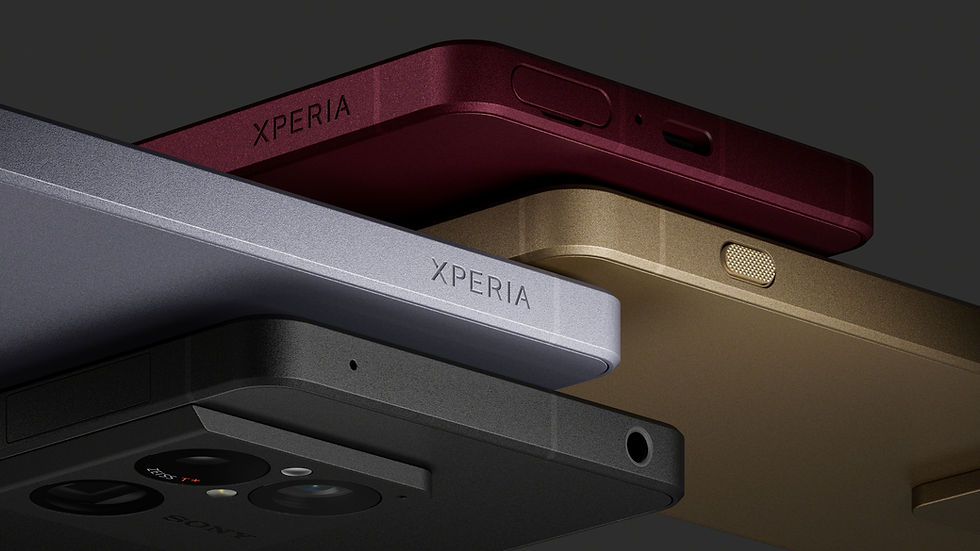
Sony has unveiled the Xperia 1 VIII, and the company is making one thing clear: this phone is built for creators first. While much of the smartphone market continues chasing AI gimmicks and folding displays, Sony is doubling down on photography, battery life and enthusiast-grade hardware.
The new flagship arrives with a redesigned camera system, upgraded imaging sensors and what Sony claims is multi-day battery life. It also signals a rare move in modern smartphones—keeping features many competitors have abandoned, including expandable storage and a 3.5mm headphone jack.
A New Design Marks a Break From Previous Xperia Phones
For years, Sony’s Xperia line changed little visually. The Xperia 1 VIII breaks that pattern.
The most noticeable change is a larger square-shaped camera module replacing the company’s long-standing vertical lens layout. Sony says the redesign supports a significantly larger telephoto sensor—one nearly four times bigger than the previous generation.
That matters because smartphone photography increasingly depends on sensor quality rather than megapixel marketing alone. Larger sensors capture more light, improving low-light performance and image detail.
Sony has equipped the phone with:
Three 48MP rear cameras
A redesigned telephoto lens system
Enhanced AI-assisted photography tools
Zeiss T* lens coating for glare reduction
The company is also introducing new AI camera assistance features designed to help users frame shots and adjust lighting automatically.
Battery Life Becomes a Competitive Weapon
Sony is positioning endurance as another major selling point. Reports suggest the Xperia 1 VIII can deliver up to two days of battery life under typical usage.
That claim stands out in a premium smartphone market where battery improvements often feel incremental.
The device keeps a 5,000mAh battery alongside 30W charging support. While competitors push faster charging speeds, Sony appears focused on longevity and thermal efficiency instead.
For users, the appeal is practical. A phone that reliably lasts through travel, work and content creation without constant charging solves a far more immediate problem than marginal benchmark gains.
Sony Continues Targeting Enthusiasts Rather Than Mass Appeal
The Xperia strategy remains unusual in 2026. While Apple, Samsung and Google focus heavily on ecosystem integration and AI assistants, Sony continues targeting photographers, videographers and audio enthusiasts.
The Xperia 1 VIII retains:
A dedicated camera shutter button
microSD card support
A headphone jack
Front-facing stereo speakers
Manual photography controls
Those features have largely disappeared elsewhere in the flagship market.
This reflects a broader trend in consumer technology. As smartphones become increasingly similar, brands are searching for identity. Sony appears to believe differentiation comes from serving enthusiasts rather than chasing mainstream trends.
The Trade-Offs Are Still Difficult to Ignore
The Xperia 1 VIII is not without compromise.
Sony has reportedly removed its continuous optical zoom system, one of the line’s most technically unique camera features.
The company also continues to lag behind rivals on software support, offering four years of Android updates while competitors increasingly promise seven.
Price remains another challenge. Early reports place the device at roughly £1,399, pushing it firmly into ultra-premium territory.
That creates a difficult question for consumers. Is specialist hardware enough to justify flagship pricing in a market dominated by ecosystem convenience and AI-powered software experiences?
Sony’s Bigger Challenge Goes Beyond Hardware
The Xperia 1 VIII shows Sony still knows how to build distinctive smartphones. The issue is whether distinction alone is enough.
The global smartphone market has shifted. Consumers increasingly prioritise software longevity, AI integration and connected ecosystems over enthusiast-grade hardware features.
Yet Sony’s strategy may still resonate with a smaller but loyal audience—people who want manual camera controls, expandable storage and uncompromised audio without relying entirely on cloud ecosystems.
The Xperia 1 VIII feels less like a mainstream flagship and more like a statement: there is still room for phones designed around specialist experience rather than mass-market simplicity.
The question is whether enough consumers still want that kind of device.
Author: George Nathan Dulnuan


Comments